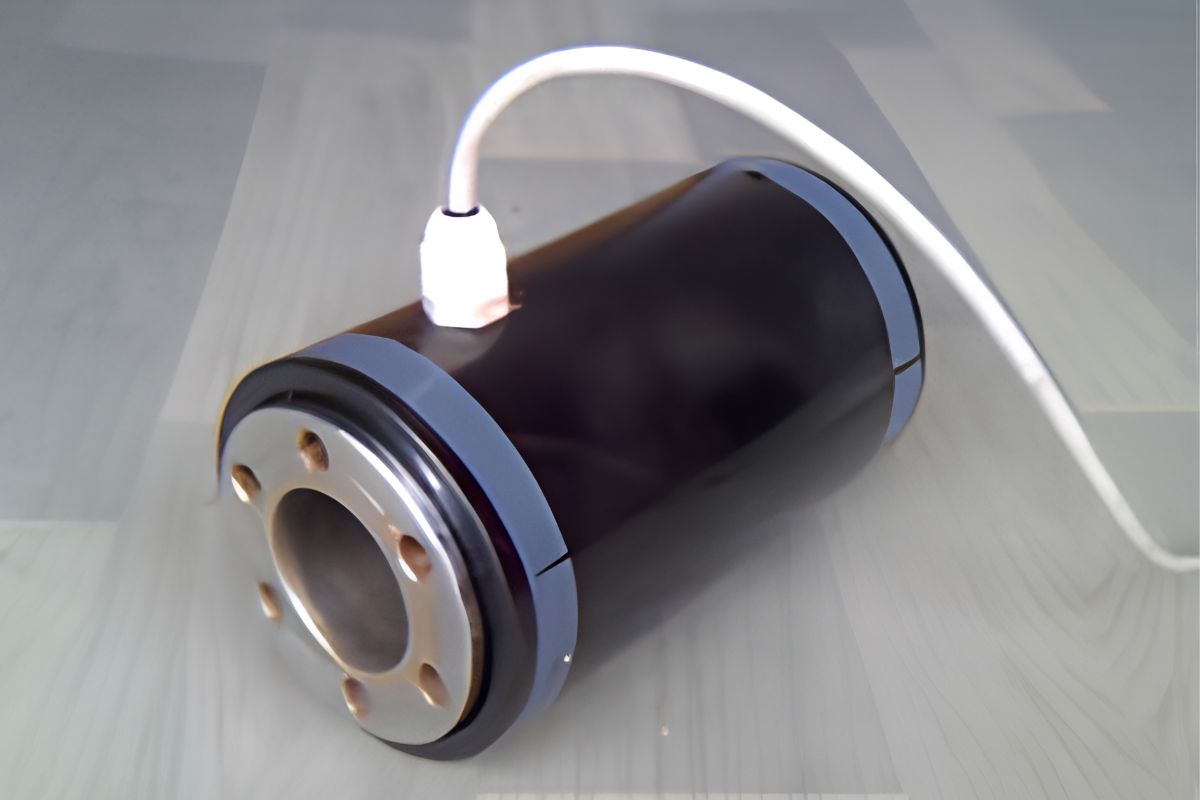
Q: How do I install the Static
Torque Transducer in my test bench setup?
A: The transducer can be
easily installed using either the flange or keyed mounting options, depending on your setup
requirements. Simply secure the unit in place and connect the 2-meter cable with a circular
threaded connector to your measurement system to ensure reliable operation.
Q: What is the primary usage of
this torque transducer?
A: This static torque
transducer is mainly used for precise torque measurements in test benches, calibration
environments, and automated systems. Its high accuracy and wide operating range make it
suitable for a variety of industrial and laboratory applications.
Q: Where can this torque
transducer be utilized?
A: It is ideal for use in
industrial automation, quality control laboratories, calibration facilities, and research
and development test benches throughout India and beyond, thanks to its durable design and
flexible mounting options.
Q: What are the benefits of
using a strain gauge-based static torque transducer?
A: Strain gauge
technology provides high precision and repeatability, ensuring that torque measurements are
reliable even under varying loads. Additionally, the analog output allows seamless
integration with most data acquisition and control systems.
Q: How does the overload
capacity enhance the safety of my application?
A: With an overload
capacity of 150% of the rated torque, the transducer protects itself and your equipment from
damage due to accidental over-torque, ensuring consistent operation and extending product
lifespan.
Q: When should I consider
recalibrating the transducer?
A: For maintaining
optimal accuracy, recalibration is recommended annually or after exposure to mechanical
shock or significant overloads. Usage in certified calibration laboratories ensures ongoing
reliability.