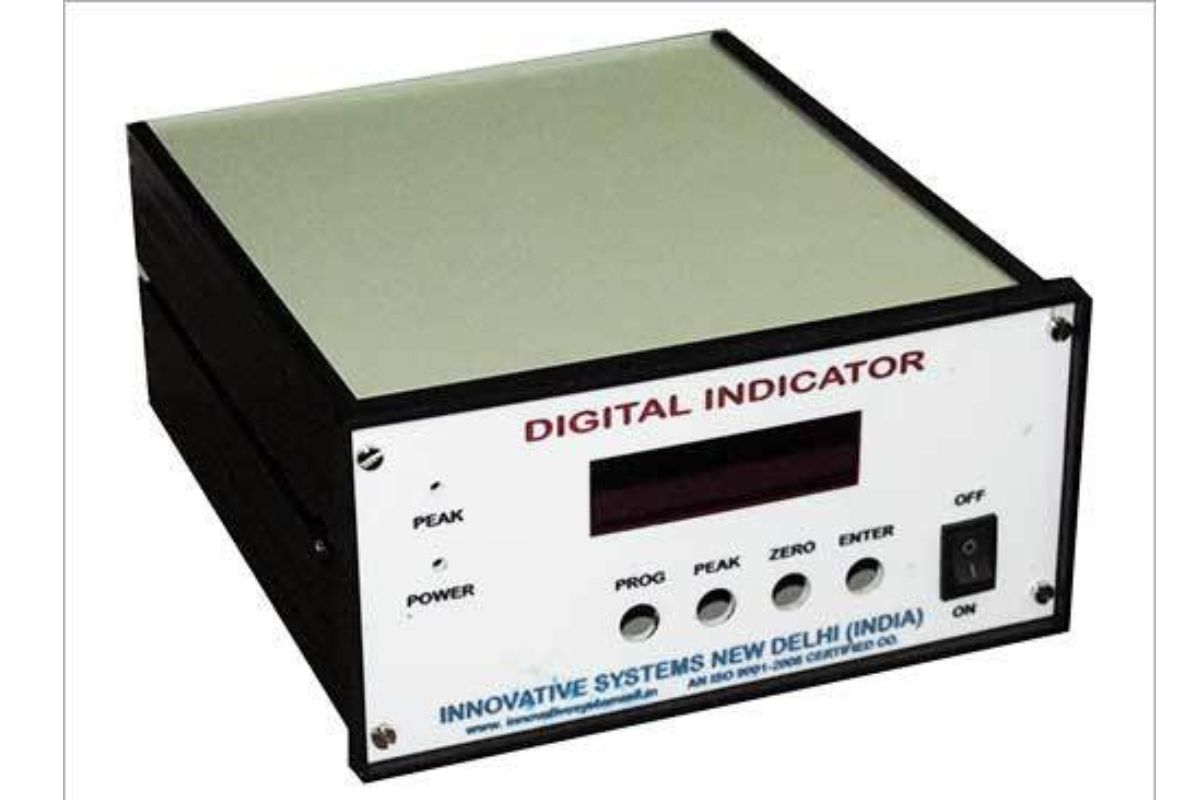
Q: How does the digital
indicator accommodate different types of sensor inputs?
A: The indicator is
designed to interface with various sensors including strain gauges, load cells, RTDs, and
thermocouples. This flexibility allows it to measure force, weight, or temperature,
depending on your application requirements, all managed through its microprocessor-based
control system.
Q: What benefits does the relay
output for process limits provide?
A: The relay output
enables automatic triggering of external alarms or control mechanisms whenever your process
parameters exceed or fall below defined limits, ensuring operational safety and quick
response to out-of-spec conditions.
Q: When is data logging via USB
or SD card useful?
A: Data logging is
particularly beneficial during continuous monitoring or quality documentation phases,
allowing you to record and later analyze process trends, results, and alarms for enhanced
traceability and process improvement.
Q: Where can this digital
indicator be installed?
A: Thanks to its IP54 or
better protection and robust enclosure, the device is suitable for installation in
industrial plants, laboratories, and other controlled environments with ambient temperatures
ranging from 0C to 50C and humidity between 10%90% RH.
Q: What is the process for
calibrating and resetting the indicator?
A: Calibration is
streamlined through the auto calibration function, minimizing manual setup and reducing
error. The equipment also offers both manual and auto reset options for restoring the system
after overloads or errors, ensuring seamless operation.
Q: How is the accuracy and
reliability of the device ensured?
A: With an accuracy of
0.1% of full scale, a rapid response time of less than 200 ms, and comprehensive overload
protection, the digital indicator delivers precise, consistent results even in demanding
environments.